

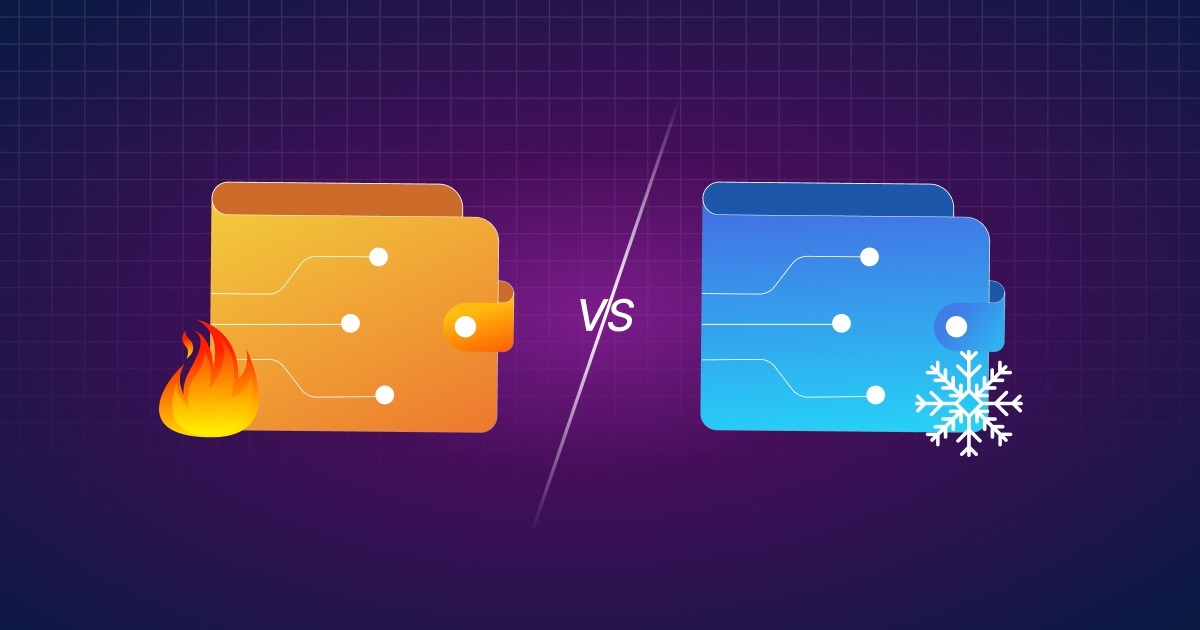
Storing cryptocurrency securely is as important as buying it. Unlike traditional bank accounts, digital assets are controlled through private keys. If these keys are compromised or lost, funds may become permanently inaccessible.
Choosing the right wallet is therefore a critical decision for anyone holding digital assets. This guide compares hot wallets and cold wallets, explains their differences, and helps you determine which storage method aligns with your investment strategy.
What Is a Crypto Wallet?
A crypto wallet is a tool that allows users to store, send, and receive digital assets. Contrary to common belief, wallets do not physically store cryptocurrencies. Instead, they store private keys that provide access to funds recorded on blockchain networks.
There are two main categories:
- Hot wallets (internet-connected)
- Cold wallets (offline storage)
Understanding the differences between these two options is essential for selecting the best crypto wallet for your needs.
Hot Wallets Explained
Hot wallets are connected to the internet. They are commonly used through:
- Mobile apps
- Desktop applications
- Web-based platforms
Advantages of Hot Wallets
- Easy access for frequent transactions
- Quick setup
- User-friendly interface
- Ideal for trading and daily use
Risks of Hot Wallets
- Higher exposure to hacking
- Vulnerable to phishing attacks
- Dependent on device security
Hot wallets are convenient but require strict cybersecurity discipline.
Cold Wallets Explained
Cold wallets operate offline, making them less vulnerable to online threats. These include:
- Hardware wallets
- Paper wallets
Advantages of Cold Wallets
- Strong protection against online attacks
- Suitable for long-term storage
- Reduced exposure to malware
Risks of Cold Wallets
- Physical damage or loss
- Responsibility for secure storage
- Slightly more complex setup
Cold wallets are often preferred for holding larger amounts of cryptocurrency over extended periods.
Hot Wallet vs Cold Wallet: Direct Comparison
|
Feature |
Hot Wallet |
Cold Wallet |
|---|---|---|
|
Internet Connection |
Yes |
No |
|
Convenience |
High |
Moderate |
|
Security Level |
Moderate |
High |
|
Ideal For |
Active trading |
Long-term holding |
|
Setup Complexity |
Simple |
Slightly technical |
The choice depends on how frequently you access your digital assets and your risk tolerance.
Security Features to Evaluate
When selecting a wallet, consider:
- Two-factor authentication
- Multi-signature support
- Backup and recovery options
- Encryption standards
- Compatibility with multiple blockchains
Security should always take priority over convenience.
Who Should Use a Hot Wallet?
Hot wallets are suitable for:
- Active traders
- Users making frequent transactions
- Individuals holding smaller balances
Since funds remain connected to the internet, limit exposure by storing only what you plan to use actively.
Who Should Use a Cold Wallet?
Cold wallets are ideal for:
- Long-term investors
- Large cryptocurrency holders
- Individuals prioritizing security over convenience
Many experienced best crypto investment use cold wallets for the majority of their holdings while keeping a small portion in hot wallets for trading.
Hybrid Approach: Combining Both
A balanced strategy often involves:
- Storing long-term holdings in cold storage
- Keeping a limited amount in hot wallets for liquidity
This approach combines accessibility with security.
Common Mistakes to Avoid
- Sharing private keys or recovery phrases
- Storing recovery phrases digitally
- Ignoring software updates
- Using unsecured public networks
Loss of private key access can result in irreversible loss of funds.
Backup and Recovery Planning
Wallet security also depends on proper backup management:
- Write recovery phrases offline
- Store backup copies in secure locations
- Avoid digital screenshots of sensitive data
Preparedness reduces risk in case of device failure or theft.
Cost Considerations
Hot wallets are generally free to use. Cold wallets may require purchasing hardware devices. While hardware wallets involve upfront cost, they offer enhanced protection for substantial holdings.
Conclusion
Choosing between hot and cold wallets depends on your investment style, transaction frequency, and security priorities. Hot wallets offer convenience and accessibility, while cold wallets provide superior protection against online threats.
The best crypto wallet for you will balance usability with strong security measures. Investors should assess their storage needs carefully and consider combining both wallet types for optimal asset management.
Frequently Asked Questions (FAQs)
1. Is a hot wallet safe for beginners?
Yes, if used with strong security practices such as two-factor authentication and secure passwords.
2. Are cold wallets completely risk-free?
Cold wallets reduce online risks but can still be vulnerable to physical loss or damage.
3. Can I transfer crypto between wallets?
Yes, you can move assets between hot and cold wallets at any time.
4. What happens if I lose my recovery phrase?
Without the recovery phrase, accessing your funds may not be possible.
5. Should I use multiple wallets?
Using multiple wallets can help manage risk and improve security strategy.
